
Testimony on Bill No. 3007 reflects support for limiting future landfill development near Kekaha, alongside concerns about environmental impacts and long-term planning.
LĪHUʻE — West Kauaʻi residents and other community members voiced support for proposed restrictions on future landfill development near Kekaha during a Kauaʻi County Council public hearing Wednesday, Oct. 28, while urging county officials to address longstanding environmental concerns and the island’s future waste disposal needs.
Bill No. 3007 would prohibit the county from constructing a new landfill within a six-mile radius of an active landfill or one that has accepted waste within the previous 30 years. The legislation is intended to prevent individual communities from repeatedly bearing the burden of the island’s waste disposal.
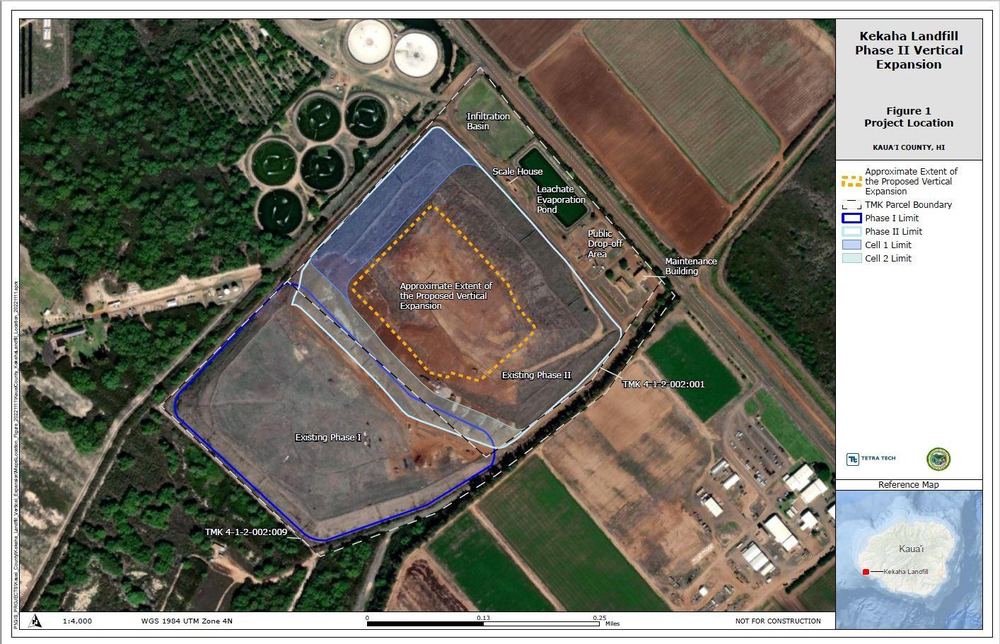
The proposal would not prohibit modifications or expansion of an existing landfill, leaving the possibility of vertical expansion at the current Kekaha Landfill.
During Wednesday’s hearing, much of the testimony reflected support for the legislation’s intent, although several speakers raised concerns about its wording, effectiveness and whether it goes far enough to protect West Kauaʻi residents.
For some, the discussion extended beyond where Kauaʻi’s next landfill should be located. It raised broader questions about environmental responsibility, public health and the consequences of decades of concentrated waste disposal.
“Enough is enough,” one Kekaha resident testified. “The solution should have been found decades ago.”
Several speakers described what they viewed as the environmental sacrifices made by the generations of families and Hawaiian Homeland beneficiaries, expressing concern that those burdens could continue to fall on their children and grandchildren.
Testimony included concerns about possible soil contamination, airborne pathogens and the long-term effects of living near an active landfill. Some residents called for additional scientific research and environmental assessments before decisions are made that could further affect surrounding communities.
Others questioned the fairness of placing waste disposal facilities near communities already facing economic challenges, arguing that West Kauaʻi residents have disproportionately carried the environmental burden of managing the island’s trash.
The landfill’s proximity to the ocean also emerged as a concern.
Speakers raised questions about sea-level rise, severe storms and the potential for coastal conditions to worsen existing environmental risks. Testimony also emphasized the importance of protecting nearshore waters and fishing areas relied upon by local families.
One speaker argued that Kekaha deserves more than legislation addressing future landfill locations, calling attention to the need for mitigation and protections at the existing facility.
While support for Bill No. 3007 was a recurring theme, it was not without reservations.
Several speakers expressed concerns about language within the proposed ordinance, suggesting that revisions may be necessary to ensure the legislation accomplishes its intended purpose.
Others cautioned that restrictions on future landfill locations must be accompanied by careful planning for the island’s long-term solid waste needs.
The discussion also touched on a proposed landfill location in the Līhuʻe area, underscoring the broader challenge of identifying a suitable future disposal site while considering environmental impacts and community concerns.
Bill No. 3007 passed its first reading Sept. 30 by a 6-0 vote, with one councilmember excused. Wednesday’s hearing provided another opportunity for residents to weigh in as the legislation moves through the county’s review process.
Although speakers differed on the bill’s specific provisions and the steps county officials should take next, much of the testimony reflected a shared concern: West Kauaʻi should not continue bearing the island’s waste disposal burden without meaningful consideration of its environmental and generational consequences.
For residents who have lived alongside the Kekaha Landfill for decades, the discussion was as much about the community’s future as it was about the location of the next landfill.
Westside Ledger will continue following Bill No. 3007, proposed landfill expansion plans and the county’s efforts to address Kauaʻi’s long-term solid waste disposal needs.